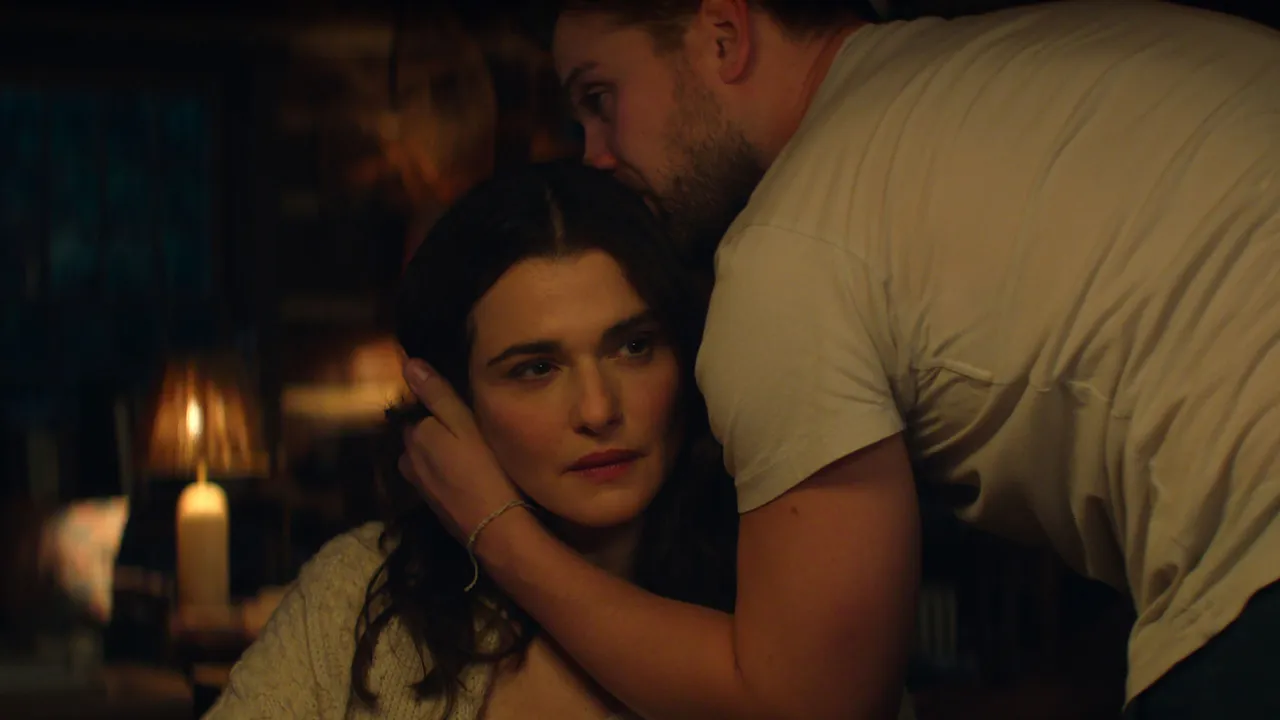
Getting nominated for an Oscar may be great for your career, but it’s not exactly healing. Just ask Wunmi Mosaku, a Best Supporting Actress nominee for “Sinners,” in which she plays Annie, a hoodoo healer whose knowledge of mysticism helps keep vampires at bay. The other day, Mosaku ordered chai at a coffee shop in Flatbush, feeling nauseated from the car ride over. On top of the exhaustion from the campaign trail—she was wearing a powder-pink trenchcoat and pants, chosen for a morning taping of “The Kelly Clarkson Show”—she is pregnant with her second child, a fact that she revealed on the red carpet of the Golden Globes.
Before “Sinners,” Mosaku said, “I knew nothing about hoodoo. All I had ever heard of was voodoo and that it was a scary, bad, evil thing. Then, when I was doing my research for hoodoo, I learned it was connected to Ifá, which is the traditional Yoruba spirituality system.” When she was a baby, her parents moved from Nigeria to Manchester to get Ph.D.s—her father in architecture, her mother in chemistry—and they raised her as a Christian. “Ifá was something I was told to stay away from,” Mosaku said. But her father grew herbs in his garden. “I now realize that he uses traditional medicines. I always thought he was a bit woo-woo—like, ‘Just take a Tylenol, Dad!’ That knowledge is still in the culture.”
To play Annie, Mosaku consulted with a hoodoo priestess, who showed her how to bless the mojo bag worn by Smoke (Michael B. Jordan) in the film. As a child, Mosaku felt orphaned from her Nigerian roots; her favorite film was “Annie,” which she’d watch over and over. As a teen-ager, she realized that acting was her calling. Albert Finney, who played Daddy Warbucks, had gone from Manchester to the Royal Academy of Dramatic Art, so Mosaku went there, too. In 2020, as she was “grappling with what was happening racially across the globe and how much I had tried so hard to assimilate,” her husband gave her a gift of a Yoruba class at U.C.L.A. She’s been taking private lessons ever since. “Yoruba is a tonal language, so I get the tones wrong a lot,” she said. At the Globes, she wore a yellow dress, a reference to the Yoruba proverb “Iya ni wura,” or “Mother is gold.”
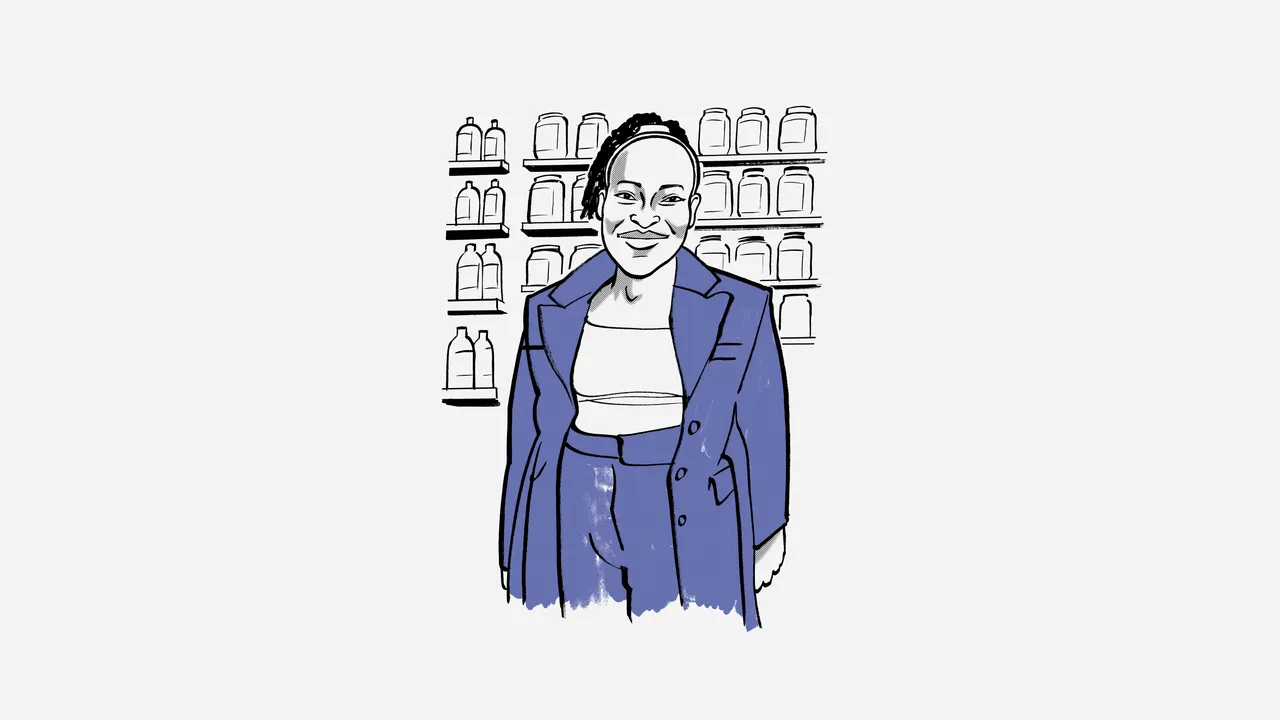
But the pregnancy and the awards-season grind had left her feeling less than golden. In Flatbush, Mosaku visited Sacred Vibes Apothecary, where she had arranged to meet the shop’s master herbalist, Karen Rose. Rose, a bubbly Guyanese woman, opened the store in 2009 and teaches classes online. One of her students, a Buddhist lama, had just conducted a workshop on the medicine of “Sinners,” with guidance on how to “get rid of energetic vampires,” Rose said. “Every herbalist’s favorite part of that movie was the apothecary scene,” she told Mosaku. “All of our houses look like that!”
Rose stood at a counter in front of an antique mirror draped with lavender bunches; around her were fragrant shelves of teas, tinctures, elixirs, and anointed candles. “I teach Western herbalism, but I concentrate heavily on plants that I grew up with—hibiscus, ginger, thyme,” she explained. Mosaku said that she loves hibiscus tea, but that Google had warned against drinking it while pregnant. “You can,” Rose assured her. “This is why ancestral medicine is so important. Hibiscus is really good for building your blood and preventing preeclampsia.”
“That’s what I thought!” Mosaku said, banging the counter.
Rose recommended ginger and cinnamon, for morning sickness, and lemon balm, for postpartum depression. She also had candles called Black Madonna (for a safe delivery) and Success (for Mosaku’s new batik maternity line). Anything for awards-season stress? “I would say nervous-system support with lemon balm and then an energetic shield—astragalus,” Rose advised. She showed Mosaku a home-blessing kit. “Every time you open your door, it’s a different kind of energy, even if it’s delivery people. So I’m really protective of the home.”