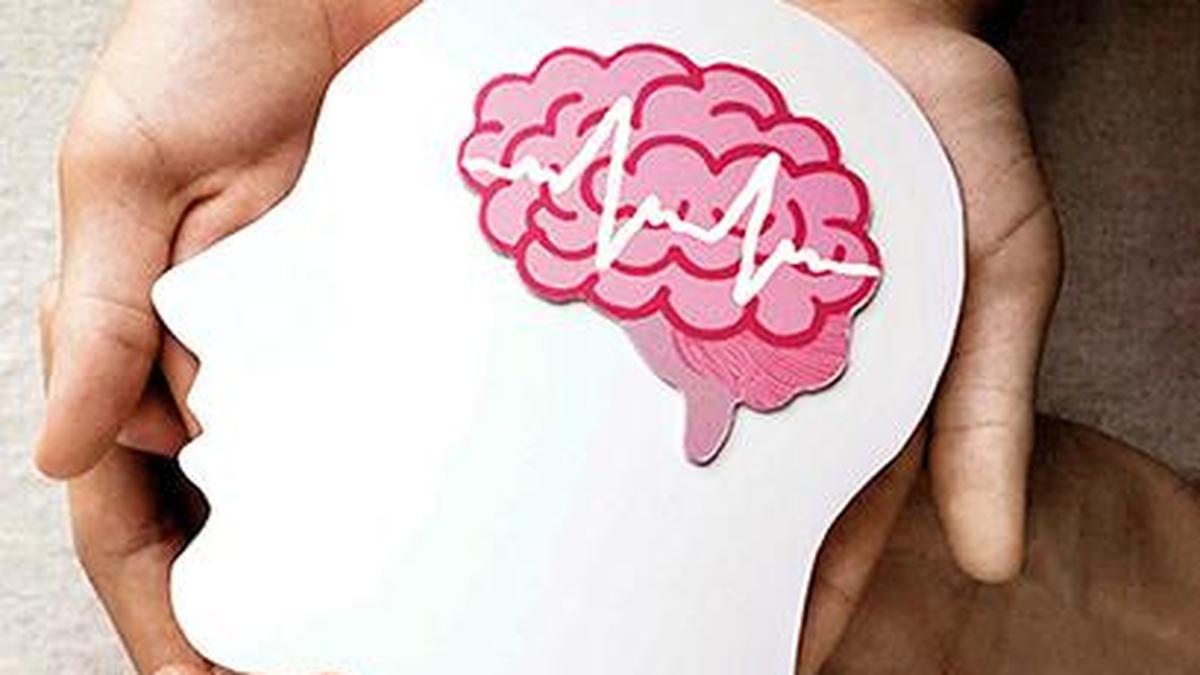
Epilepsy can be a frightening disease to witness, especially for parents of children. To watch their young ones suddenly lose consciousness and their limbs violently shake, not to mention some suffering injuries, can be devastating. .. By various estimates, about 5 lakh people are added to the epilepsy population every year in India. Most respond well to medical treatment. However, about 10 to 30% become resistant to medications.
What is intractable epilepsy?
Intractable epilepsy is typically defined as patients who continue to have seizures, despite being on at least two appropriately chosen medications for their epilepsy. Some patients continue to have seizures despite being on three or even four different anti-convulsant drugs. It is in these patients that serious consideration is given to other options, such as surgery.
Intractable epilepsy does not affect only adults: there are many children born with congenital disorders, some of whom may be predisposed to drug-resistant epilepsy from a young age.
Drug-resistant epilepsy
Some patients have certain conditions that can cause drug-resistant epilepsy. One such condition is focal cortical dysplasia, which is an abnormality in the brain’s cellular organisation, in a particular region of the brain. This causes misfiring of the electrical activity, resulting in seizures. Some other patients may have low grade tumours in the brain and and may have scarring in the medial temporal lobe — all resulting in epilepsy. These patients are grouped under the category of lesional epilepsy — ones with an identifiable structural cause for the epilepsy. Such lesions are notorious in their tendency to not respond to medical treatment. There are other patients with no identifiable abnormality in the brain — these are grouped under the non-lesional epilepsy category.
Surgery is not the last resort
Modern brain surgery is extremely safe, and centres across the world are moving towards offering children epilepsy surgery from a very young age. We have all heard of the phrase ‘Time is brain’. This is especially true in infants because uncontrolled electrical activity in the brain (which is what epilepsy is), if left unchecked, can cause permanent damage to the brain’s overall development. These children can go on to have poor performance in school, some even unable to continue in one. Some are unable to walk or talk and need to be cared for continuously into adulthood. Sometimes, we even see children losing some of the development they had achieved earlier.
Epilepsy specialists across the world have now started addressing the problem at very early ages in order to take advantage of the inherent neuroplasticity of the brain. Children’s brains, especially those of infants, have excellent propensity to rewire themselves. Once the epilepsy is eliminated and even if the areas controlling important faculties of the brain such as speech have been removed, what is incredible is that speech areas may shift to another side of the brain. Therefore, operating on infants as young as few months of age can potentially change their life.
Increasingly, centres across the world, have even come to recognise that once they identify a curative lesion in the brain by using advanced imaging such as MRI, one does not need to wait to determine that drugs have failed. In other words, when we estimate that the infant is likely to end up being a drug resistant epilepsy patient as he or she grows, offering ultra-early surgery makes immense sense.
Before an epilepsy surgery
Patients undergo advanced imaging tests. . The electrical activity of the brain is studied and patients are usually assessed by both the epileptologist and other specialists such as a neuro-psychologist and social worker. Following this, a multidisciplinary team meeting involving the neurosurgeon, neuro-radiologist, epileptologist, neuro-psychologist, and social worker is usually conducted to thoroughly hash out whether the patient is a good candidate to be offered surgery or not. The aim of this evaluation is to identify the problem, locate the problem and to see if surgery can be successful in this situation. After this, a lengthy counselling session with the patient and caregiver is conducted to explain to them, the treatment options available.
Also Read: Epilepsy patients continue to face social stigma, say doctors
Types of epilepsy surgery
Epilepsy surgery carries a very high success rate when identification of such candidates is done meticulously. Data on infants undergoing ultra-early surgery show success rates of about 60 to 70%.
For lesional epilepsy patients, the evaluation is to determine whether there is any portion of the brain that can be removed safely to render the patient seizure free. This is called lesionectomy. For patients with sclerosis of the medial temporal lobe, removal of the affected portion of the lobe is undertaken. Some patients unfortunately may have lesions on both sides of the brain. In these situations, curative resection cannot be undertaken; instead, palliative procedures such as corpus callosotomy are considered. This involves carefully disconnecting one hemisphere of the brain from another. In some children the entire hemisphere on one side maybe affected. This can be seen in children who have had strokes in the newborn period or in those with congenital conditions affecting an entire half of the brain. The affected hemisphere is practically useless, but remains dangerous, since continuing abnormal electrical activity damages the normal half of the brain. In such children, a procedure called hemispherotomy, which basically means disconnecting that particular hemisphere from its counterpart on the other side and the rest of the deeper portions of the brain on the same side is undertaken.
For many people hearing the word ‘brain surgery’ can be terrifying — for an adult, yes, but more so for a child or an infant. However, surgical results for children suffering with conditions called catastrophic epilepsy are usually extremely gratifying, and these children go on to lead and extremely productive lives if the surgery is successful. Success rate can be potentially upwards of 60 to 80% and many children can be gradually tapered off their anti-convulsant medications and go on to lead healthy lives.
In some patients, in whom no structural issues in the brain are found, advanced procedures including neuro modulation are offered. This includes procedures such as vagal nerve stimulation (VNS) or deep brain stimulation (DBS). VNS involves connecting a pacemaker to the vagal nerve in the neck and DBS involves connecting a pacemaker to an electrode placed in the thalamus of the brain.
Watch: Epilepsy: Management and care | Webinar
Centering child safety
While meticulous surgical techniques are the same whether operating in infants or adults, smaller children need to be taken care of by experienced anaesthesiologists during the surgery. Even a few millilitres of blood loss can become catastrophic in small children. Advances operative gadgets, including Neuronavigation, intra-operative neurosonography, intra-operative neuromonitoring, operating microscopes etc .are invaluable in ensuring successful surgeries.
(Dr Visvanathan K. is a senior neurosurgeon at the SRIHER Advanced Epilepsy Surgery Centre, Chennai. Visva.neurosurgeon@gmail.com)
Published – March 14, 2026 02:41 pm IST