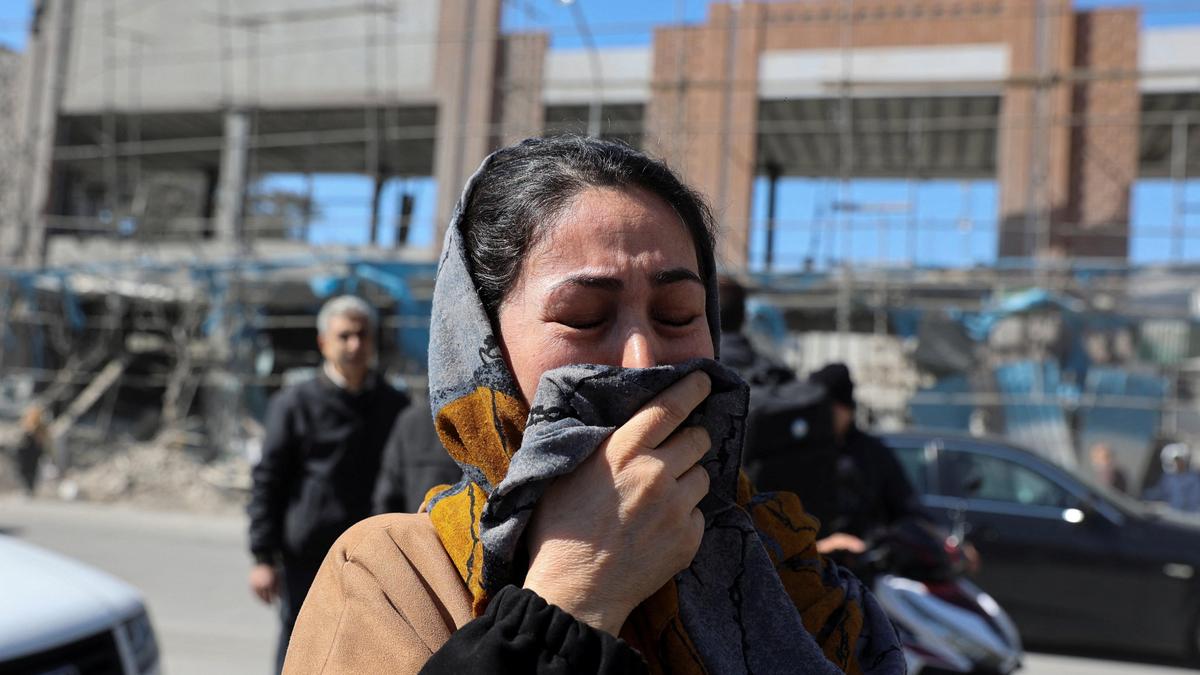
‘Wars and political instability further weakening the institutions for the protection of women’
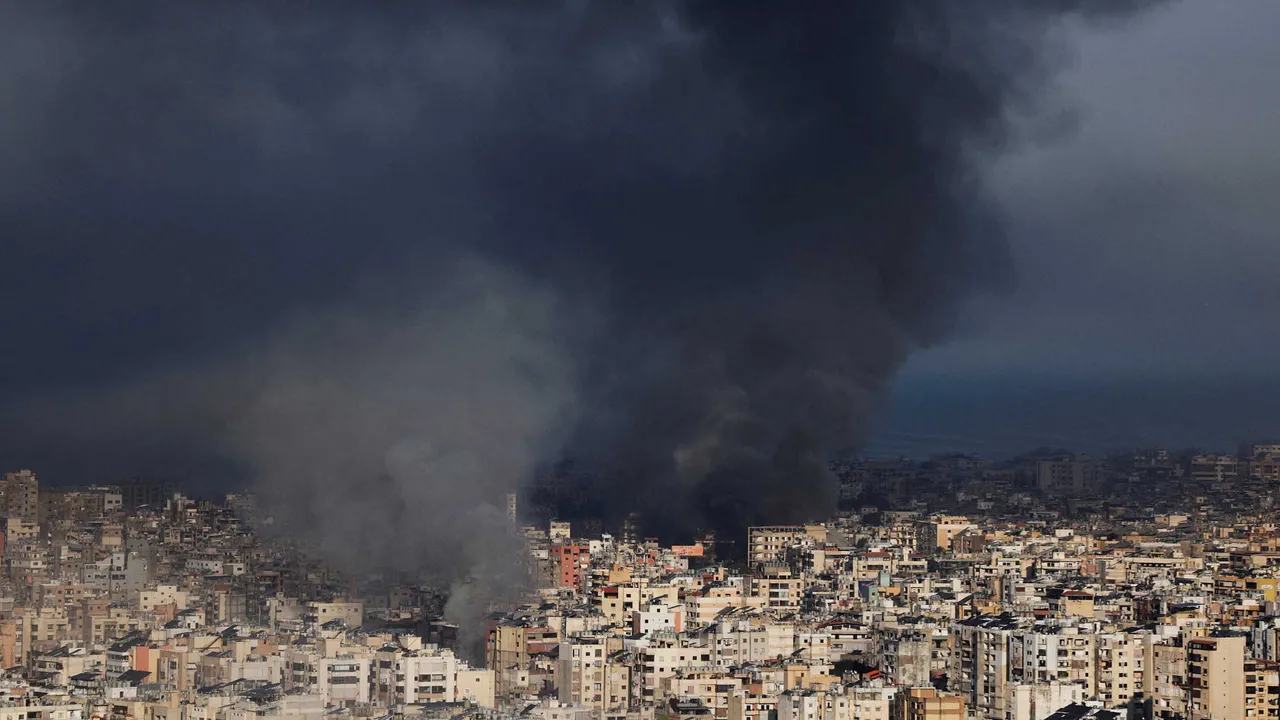
| Photo Credit: Reuters
International Women’s Day is once again in our midst. Observed globally on March 8, the day has evolved from its early 20th century labour roots into a leading platform for deliberating on women’s rights, celebrating achievements and demanding concrete action toward gender equality. Officially recognized by the United Nations (UN) in 1977, the day continues to serve as both a celebration and a call to action.
Rights, justice and action
For 2026, the UN has chosen “Rights, Justice, Action: For All Women and Girls” as the global theme for International Women’s Day. While these words resonate powerfully, affirming women’s rights to equality and justice, the reality remains far from supportive of translating this theme into a practical programme. The unpleasant truth is that this ambitious call for action is against the ominous backdrop of a world marked by conflict, displacement, economic instability and political uncertainty. Multiple wars and conflicts are raging in several parts of the world.
Relentless targeted attacks by warring nations have already claimed so many lives and caused the destruction of several strategic locations. Those killed include a large number of women and children. What is worse, instead of de-escalation, we are witnessing a hardening of positions on all sides, with no early cessation of hostilities in sight.
What do these conflicts portend for living conditions and rights of women and children?
Gender equality is not a privilege but a fundamental human right. But it is easier said than done, more so in a world facing multiple crises in which women and children are the most vulnerable. Research and field studies have clearly established that women and girls suffer disproportionately in wars. Conflict and insecurity dramatically escalate incidents of gender-based violence, food insecurity, restricted mobility or forced displacement, disruption of families, loss of livelihood, breakdown of social support systems and lack of access to health care and education. Women trapped in conflict zones are also targeted as a strategy of war. Rape and sexual violence against women have been committed during wars since ancient times to subjugate and humiliate the enemy.
Many women also suffer mental health issues such as depression, anxiety and post-traumatic stress disorder. The side-lining of women in peace talks and reconstruction processes further reduces their chances of addressing these problems.
Promises but no progress
Acknowledging the disproportionate impact of armed conflict on women and girls, the UN Security Council, on October 31, 2000, unanimously adopted the United Nations Security Council Resolution 1325 on Women, Peace and Security. It was affirmed in this historic resolution that women must be protected during conflicts and included actively in peacebuilding processes. Yet, the gap between commitments and implementation continues to remain wide. While a few countries have developed national action plans to implement Resolution 1325, no tangible change is noticed on the ground.
In fact, the conditions for women and children have worsened over these decades. Inequalities have become more acute in many places, with wars and political instability further weakening the institutions for the protection of women. The UN Secretary-General Report on Women, Peace and Security for 2025 categorically states that the world is experiencing the highest number of active conflicts since 1946, resulting in unprecedented risks and suffering for women and girls. The report adds that nearly 676 million women live within 50 kilometres of deadly conflicts, the highest level since the 1990s. Civilian casualties among women and children quadrupled when compared to the previous two-year period. Conflict-related sexual violence increased by 87% in two years.
Moreover, despite overwhelming evidence that women’s participation makes peace more durable, they remain largely excluded from decision-making. In 2024, nine out of 10 peace processes had no women negotiators, with women making up just 7% of negotiators and 14% of mediators globally. This is despite the research consistently showing that peace agreements are more durable when women are meaningfully involved in these processes.
Rights require action
Women, being important stakeholders as well as victims of war, should be given equal opportunity to participate in talks and other processes. Women’s collectives and global bodies should also play a more action-oriented role instead of confining themselves to slogans and conferences. Women and children in conflict zones should be protected from violence and sexual exploitation. In fact, helping them with food, education, health care, financial assistance and also emotional support is the duty of other stakeholders as well.
This underscores why the 2026 emphasis on rights and justice is both urgent and essential, making International Women’s Day more than a calendar date and a reminder that protecting women’s rights amid conflict and instability is a collective responsibility.
Archana Ramasundaram retired from the Indian Police Service as a Director General of the Sashastra Seema Bal, a central armed police force). She has also served as Member, Lokpal of India
Published – March 06, 2026 12:08 am IST