People love to scoff at this sort of high-concept culinary stuff. What’s served at Noma is “food” in the way that couture is clothing–a basic human need spun so far beyond the minimums of physical exigency that it’s almost nonsensical to hold it to similar standards. Did lunch at Noma taste good? Is a shredded, inside-out, three-sleeved garment by Rei Kawakubo a “shirt”? The questions are, to a point, irrelevant; you’re either disposed to accept the potential artistic merits of this type of formal play, or you’re baffled by, and maybe a little contemptuous of, those monied suckers who willingly shell out for it. In January, not long after seats for Noma L.A. went on sale, I was a guest on the KCRW radio program “Press Play,” discussing the rabid reaction to the ticket drop. Asked about the eye-watering cost of the meal, I defended it: people spent that amount or more to go to a Taylor Swift or Beyoncé show, which is just as ephemeral as a tasting-menu dinner. Well-heeled patrons of the opera or the ballet will pay oodles of money for the same sort of see-and-be-seen social jockeying that will certainly be taking place at the Paramour Estate.
Another thing about consuming art is that it is, in essence, a matter of choice. The torn-up shirt, the color-washed canvas, the orchestra stilling its bows for four minutes and thirty-three seconds of room tone, the butterfly-shaped cracker covered in a downy layer of white mold: art is a consensus, an agreement of value between creator and consumer. I don’t think the work of Noma is empty now that Redzepi, the embodiment of its cachet, is being held accountable for a fuller range of abuses; on the contrary, I think the goals that the restaurant pursues, and that its vast and largely anonymous corps of workers achieve—novelty, technique, narrative, surprise—are, in many ways, the only things that matter in restaurants, once the bare physical fact of hunger has been satiated. But as we learn over and over again—and, if we forget, we are forced to relearn—no art exists without the circumstances of its creation. Noma’s influence is essential to the story of the violations that took place there. A stint at Noma is the highlight of any cook’s résumé, the culinary equivalent to singing at the Met or dancing with the Bolshoi or interning at The Paris Review. It’s easy to understand why thousands of people clamored to work there, and why, once a lucky few made it in, they might have found it difficult to complain, or to criticize, or to leave. The institution weaponized its own status. To reject the significance of Noma as an institution now is, in a way, to unfairly shift a portion of blame onto the very people who were hurt—people who were there only because they, too, believed in its value. They weren’t wrong to want to be in that kitchen; what was wrong was the way their adulation and ambition were rewarded with terror and abuse.
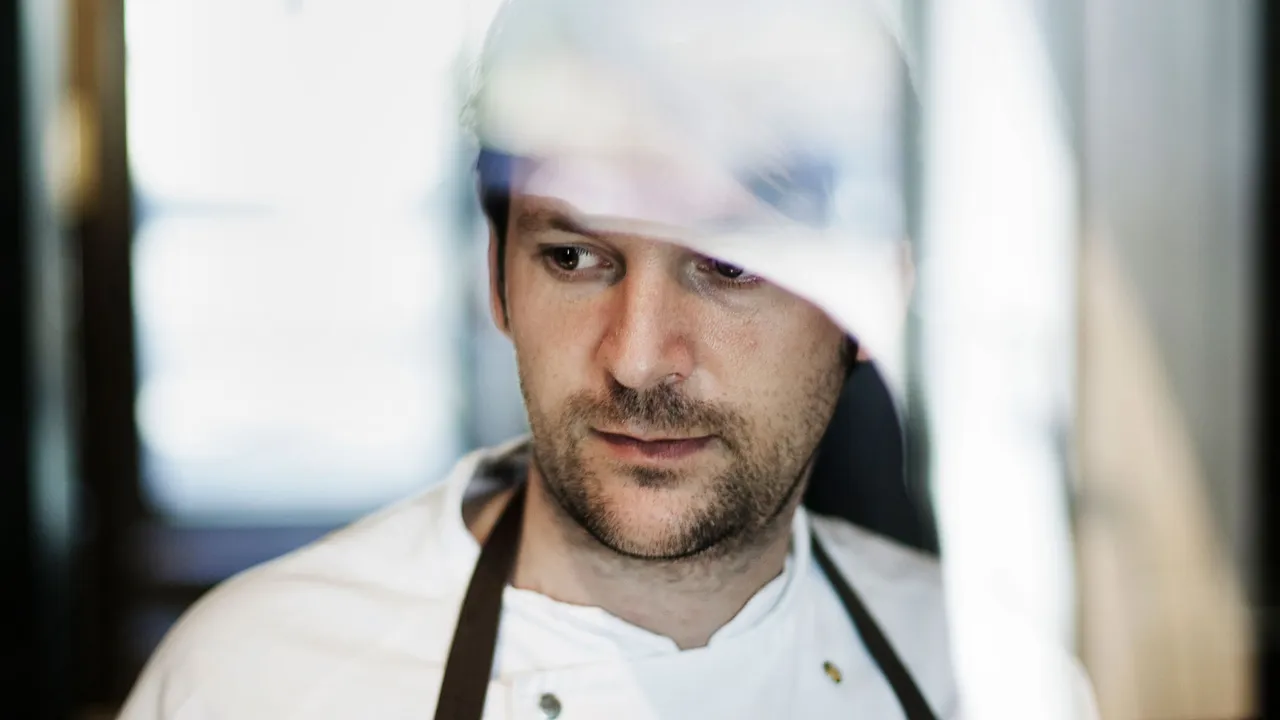
It sometimes feels like the restaurant world is in a perpetual state of reckoning, a ceaseless cycle in which prominent chefs are exposed for their misdeeds, then express contrition and promise big adjustments and more humane workplaces. On Saturday, the same day that Moskin’s Times report was published, both Noma and Redzepi posted statements to their social-media accounts addressing the allegations. Redzepi apologized, saying, “To those who have suffered under my leadership, my bad judgment, or my anger, I am deeply sorry and I have worked to change.” Reading the flood of comments that piled up underneath the posts, I was horrified to see how many expressed solidarity with the chef rather than with his victims. Some of the messages of support seemed motivated by a sense of friendship, or at least celebrity-class solidarity. Big-name chefs such as Michael Solomonov and Hajime Yoneda left strings of heart emojis; Pierre Thiam wrote that he admired Redzepi’s humility. More unnerving, though, were similar comments from cooks and fans who haven’t achieved the same levels of fame and success. They applauded Redzepi’s courage. They praised his resilience. They outright asked for jobs at Noma. Some—too many—dismissed Redzepi’s thirty-odd accusers entirely, seemingly out of a belief that enduring violence is just what kitchen life entails, and that those who want to make it as chefs need to suck it up. But not even Redzepi appears interested in that exonerative line of thinking anymore. “When I first started cooking, I worked in kitchens where shouting, humiliation, and fear were simply part of the culture,” he wrote in his statement. As Noma grew, he continued, “I found myself becoming the kind of chef I had once promised myself I would never be.”
A new book from Redzepi and his team, “The Noma Guide to Building Flavour,” is scheduled for release in April, presumably timed to capitalize on interest in the Los Angeles residency. Earlier this week, I received an advance copy from the publisher—almost certainly put in the mail before the Times story dropped—along with a handwritten note from a publicist inviting me to spend time with Redzepi when he’s in New York, next month, for the launch. “I love that you can really hear his voice,” the publicist wrote in her note to me, of the new book. “The curiosity, the passion, and focus on moving forward.” The book and the L.A. pop-up come during what was already a transitional period for Noma. Its Copenhagen dining room ostensibly closed forever earlier this year, and Redzepi has been talking for a while about the launch of Noma 3.0, a hazily articulated new concept set to launch in 2027. His statement about “stepping away” was posted to Instagram with a video of him addressing the gathered staff in L.A. It’s worth noting, though, that he doesn’t appear to actually be leaving his role as the head of Noma, or divesting from the brand. You punch an intern in the stomach. You crouch behind a counter so that the dining room can’t see, and stab a line cook in the leg with a barbecue fork. Time passes; time continues to pass. “This is your restaurant now, each and every one of you,” Redzepi tells his staff. “For me, I’m going into planning the next phase, O.K.?”