Explosions sounded over Dubai early Tuesday (March 17, 2026) as the United Arab Emirates’ (UAE) military worked to intercept incoming Iranian fire that caused the country to briefly close its airspace as war in the Middle East continued to escalate.
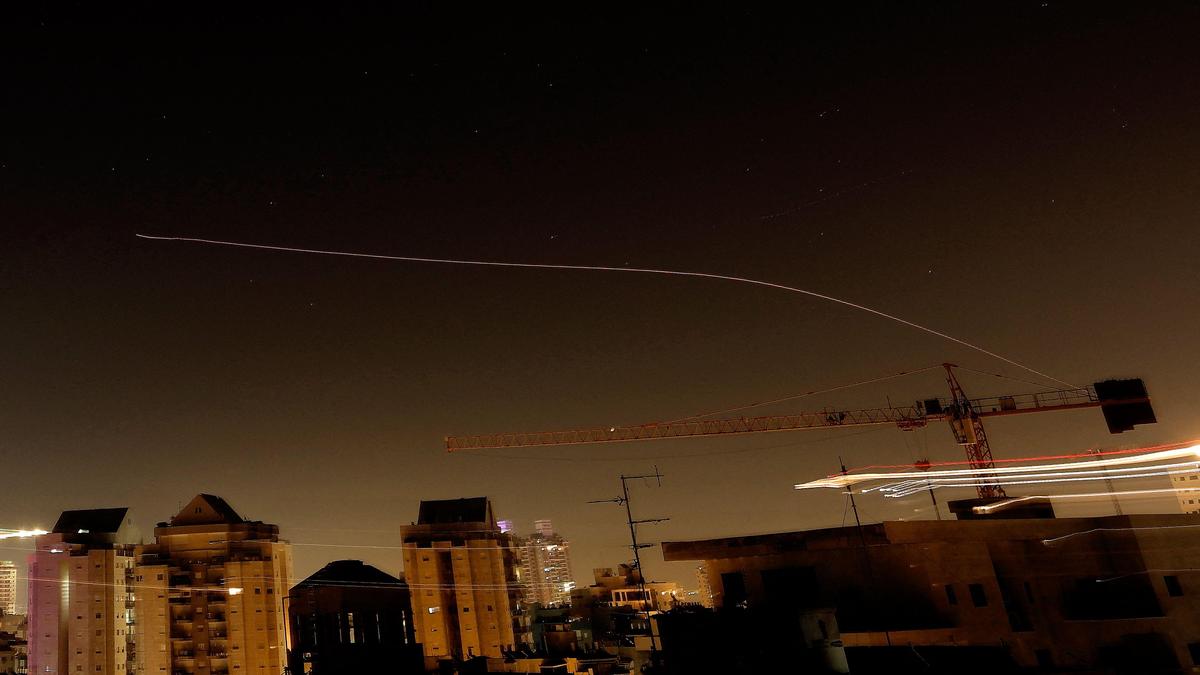
The Israeli military said early Tuesday (March 17, 2026) it had begun a “wide-scale wave of strikes” across Iran’s capital and was also stepping up strikes on Iran-backed Hezbollah militants in Lebanon. It announced the new strikes as Israel reported two incoming salvos from Iran.
Iran-Israel war LIVE – March 17, 2026
The U.S. and Israel had pummelled military targets in Iran’s capital a day earlier, with Israel stepping up bombardments of Iran-backed militants in Lebanon.
Fears of a global energy crisis loomed even as a small number of ships passed through the Strait of Hormuz, a vital waterway through which a fifth of the world’s oil normally travels.
Iranian strikes on commercial ships in and around the strait have slowed shipping to a trickle, dramatically increasing oil prices and pressuring Washington to do something to ease the pain for consumers and the global economy.
Brent crude, the international standard, remained over $100 a barrel. U.S. President Donald Trump said he had demanded that roughly a half-dozen countries send warships to keep the Strait of Hormuz open. But his appeals brought no immediate commitments.
Speaking of the strait, Iranian Foreign Minister Abbas Araghchi said: “From our perspective it is open” — just not for the United States, Israel and its allies. Mr. Araghchi also rejected as “delusional” claims that Iran was looking for a negotiated end to the war.
Since the United States and Israel attacked Iran more than two weeks ago, Tehran has regularly fired drones and missiles at Israel, American bases in the region and Gulf Arab countries’ energy infrastructure.
UAE briefly closes airspace
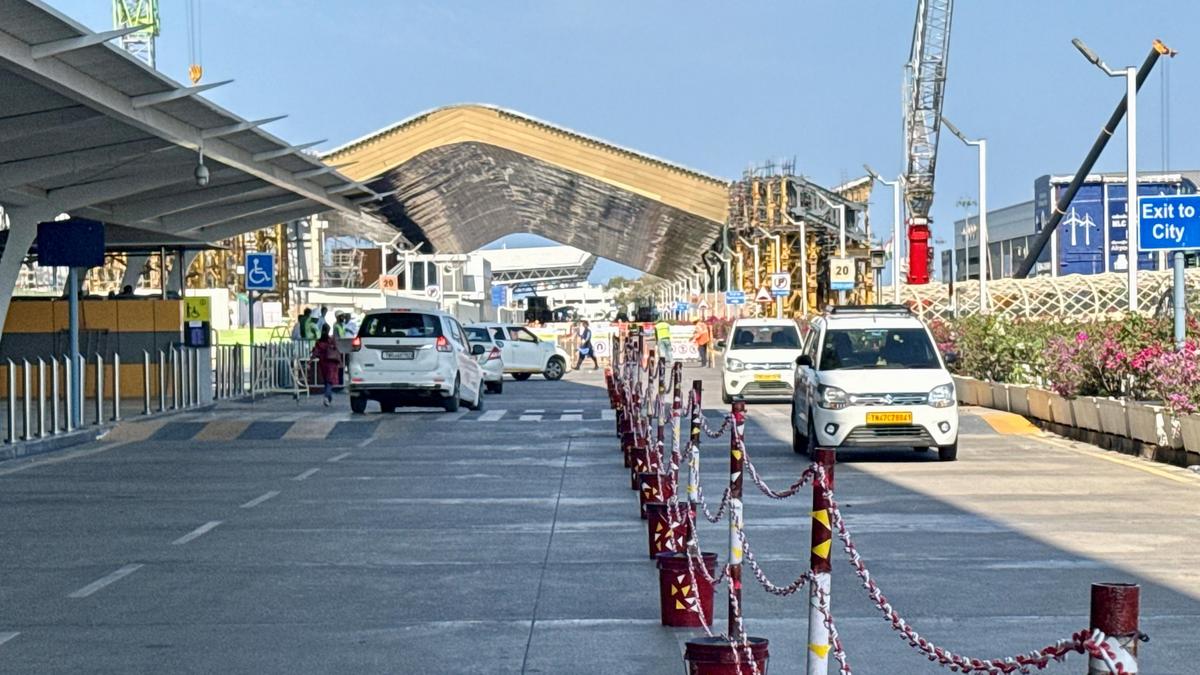
The UAE shut down its airspace early Tuesday (March 17, 2026) as its military reported it was “responding to missile and drone threats from Iran.” The closure was soon lifted, the state-run WAM news agency quoted the UAE’s General Civil Aviation Authority as saying.
Authorities said “the situation stabilized,” allowing flights to resume.
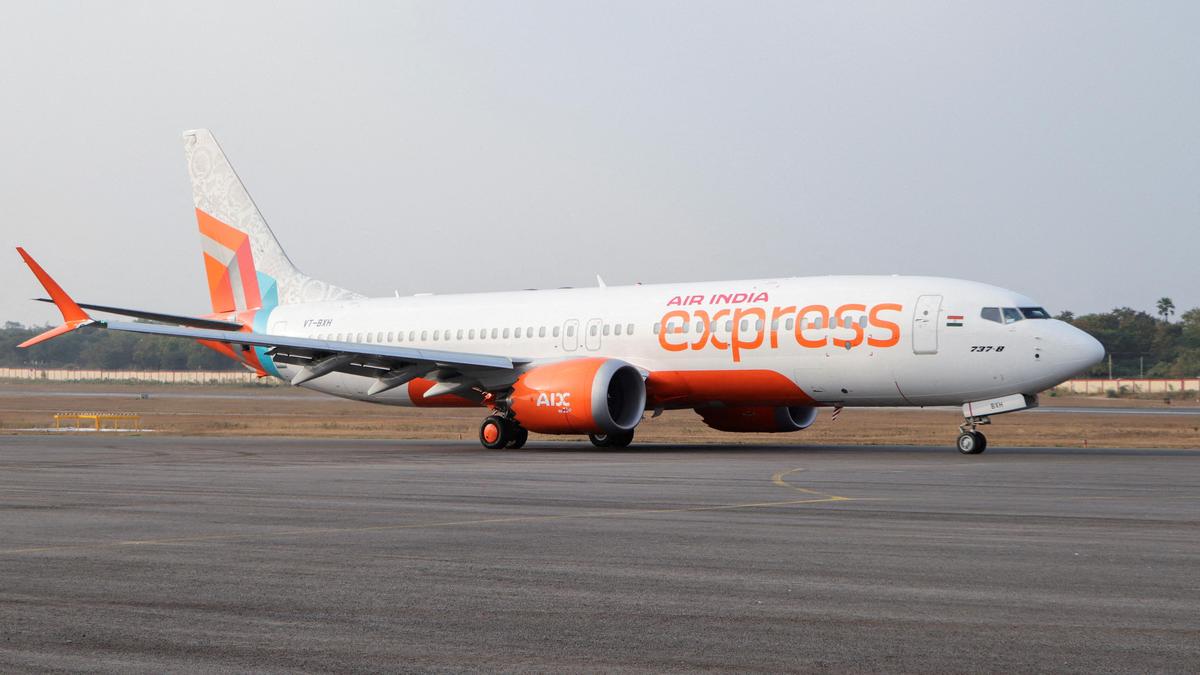
The snap announcement showed the balancing act Emirati authorities face in trying to keep their long-haul carriers Emirates and Etihad flying as Iranian attacks continue to target the country. On Monday (March 16, 2026), an Iranian drone attack set a fuel tank ablaze at Dubai International Airport, the world’s busiest for international travel.
In Israel, an intercepted Iranian missile attack sprayed shrapnel on Monday (March 16, 2026) through Jerusalem’s Old City, hitting the rooftop of the Greek Orthodox Patriarchate, just meters (yards) from the Church of the Holy Sepulcher, built on what is revered by many Christians as the site of Jesus’ crucifixion, burial and resurrection.
Shrapnel also fell near the Western Wall, the holiest site where Jews can pray, and within the Al Aqsa Mosque compound, the third-holiest site in Islam. Missile strikes on Jerusalem have been rare in the past.
Israel hits Beirut, launches new attacks on Tehran
Massive explosions were heard in Beirut on Monday (March 16, 2026) as Israel launched new attacks on the Lebanese capital, saying it was striking infrastructure related to the Iran-linked Hezbollah militia. Hezbollah began firing rockets into northern Israel after U.S.-Israeli attacks on Iran began Feb. 28.
The Israeli army has issued evacuation orders for many neighborhoods in Beirut as well as southern Lebanon.
Israel’s strikes have displaced more than 1 million Lebanese — or roughly 20% of the population, — according to the Lebanese government, which says some 850 people have been killed. Some Israeli troops have pushed into southern Lebanon, and there are fears Israel is preparing a large-scale invasion.
In southern Lebanon, seven people were killed in Israeli airstrikes, according to authorities and news reports on Monday (March 16, 2026).
Explosions also sounded in Tehran and outlying areas soon after Israel’s military announced it had launched new strikes on Iran’s capital.
A Tehran resident said while driving he witnessed an airstrike turn a police station to dust and heavily damage shops and cars. The man, who spoke on condition of anonymity for fear of retaliation from the government, said it “felt like the end of the world.” More details were not immediately available with information coming out of Iran severely limited by internet outages, round-the-clock airstrikes and tight restrictions on journalists.
More than 1,300 people have been killed in Iran, according to the Iranian Red Crescent.
Israel has carried out some 7,600 strikes on Iran, knocking out 85% of its air defenses and 70% of Iran’s missile launchers, Israeli military spokesman Lt. Col. Nadav Shoshani said.
In Israel, 12 people have been killed by Iranian missile fire. At least 13 U.S. military members have been killed.
Published – March 17, 2026 07:54 am IST